


New Media Pedagogy
- Nov 28, 2022
- 2 min read

What is New Media?
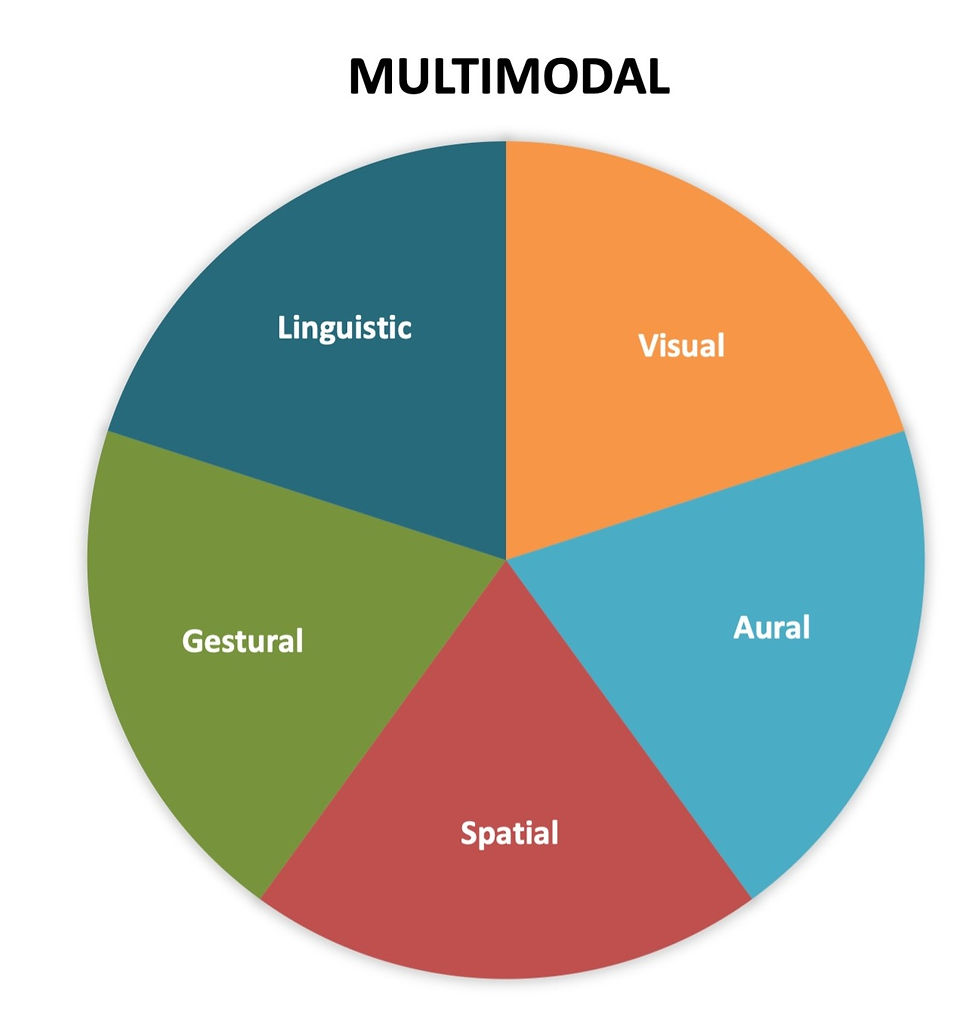
According to SNU, “new media is any media - from newspaper articles and blogs to music and podcasts - that are delivered digitally.” Colin Gifford Brooke reminds us that multimodal texts can be considered new media, but this is not always true. For example, a hand-drawn map is multimodal because it makes purposeful use of words, graphics, and spacing, yet it is not digital text.
Why is this approach beneficial?
Helps students become acquainted with diverse ways of writing and communicating. It allows them to practice digital writing and communicating while making the content about the specific course material.
Students can gain experience with a particular skill set in technology, including algorithms in social media, website creation, digital design, video editing, blogs, podcasts, etc.
It’s a form of communication used beyond the classroom in everyday life, for example in graphic medicine
It can expand job opportunities for students: “Media is a vast industry that encompasses dozens of job roles that leverage skills ranging from writing and oral communication to coding, graphic design, and more. Some common job roles for someone with a new media degree can include social media manager, public relations specialist and marketing executive” (Joe Cote).
Allows students to keep up with the updates in what constitutes “new media” and to reach a greater audience.
Allows for both students and instructors to provide expertise regarding advances in technology and approaches towards the writing process.
Provides a customizable and inclusive way of teaching writing to students. In other words, new media allows students to express their creativity in a way that fits them best. One person may want to express the mode of social media using Twitter, while another person may feel more comfortable creating a podcast episode, and another person might feel more comfortable creating an infographic. This type of flexibility gives students the chance to work with what they like, but it also leaves the door open for experimentation with something new.
Helps create technological proficiency in students, which is a beneficial asset in the constantly evolving world we live in.
What can New Media look like in the ENC 1101 classroom?
Introduce and analyze texts that use new media, not just essays and books.
Allow students to do certain projects in a digital form/genre of their choice and then have them explain why the form/genre they chose is an effective way to convey their message, reach a certain audience, express themselves, etc.
For example, you could give students a video essay option for a project, and then the written aspects that could be turned in along with it would be the outline/script and an explanation/reflection of student choices while creating the video essay.
Another example: students can work on an infographic assignment where they can advertise something or educate a group of people about something using digital texts.
Encourage students to find ways to incorporate online work into their assignments, such as websites, photos, or videos that help them with research and other ways to improve their work.
The adoption of this pedagogy within an academic environment requires instructors to question how to incorporate a type of criteria appropriate for judging the dynamic range of available new media. Instructors may need to redefine the standards of what counts as effective writing when grading students’ assignments.
Graphic Medicine (Sam Hester) Pedagogue Podcast
The Power of Digital Journalism


Comments